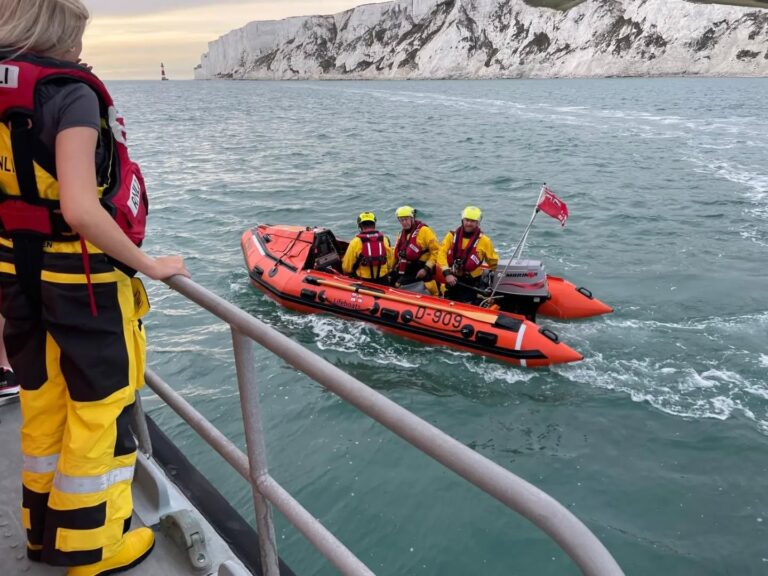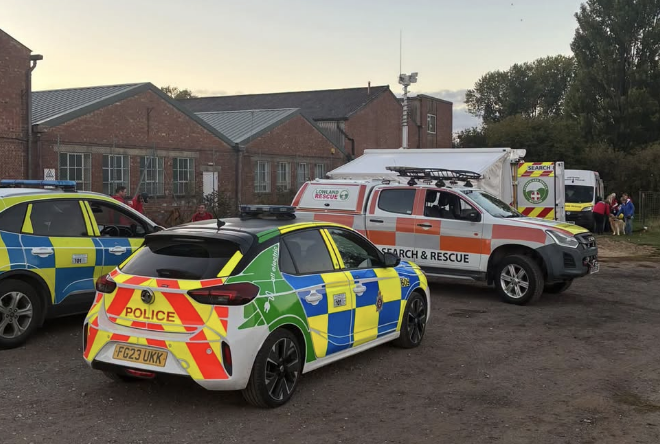

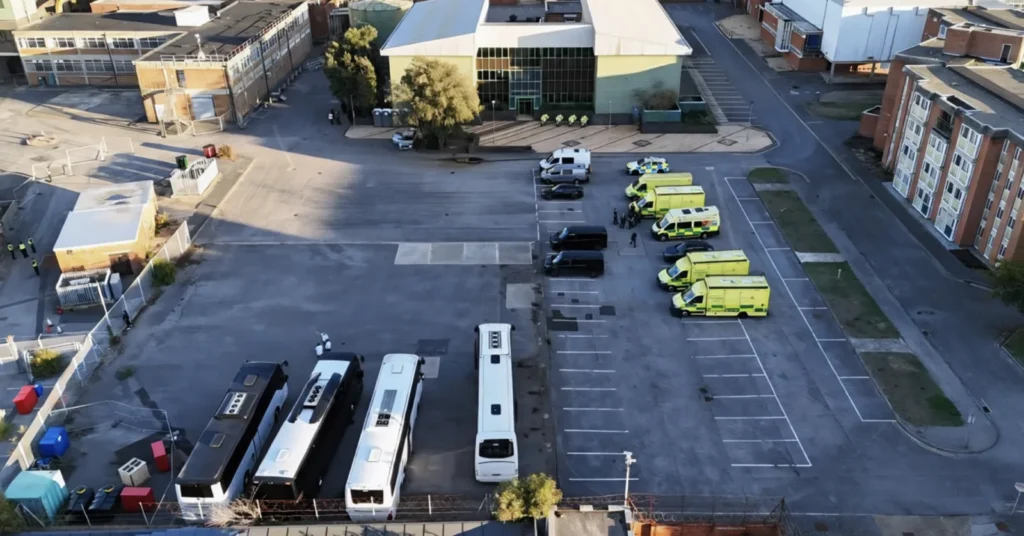
The Government has confirmed it has contingency plans in place for small boat arrivals after 149 migrants were brought ashore in Gosport. The group arrived at Portsmouth Harbour shortly after 10pm on Sunday, October 4, aboard two RNLI lifeboats before disembarking near Fort Blockhouse. They were then placed on coaches and transported to short-term holding facilities in Kent for immigration processing. The Government said the boat carrying 149 people had departed from Normandy before those on board were brought ashore in Gosport.
Home Office confirms contingency arrangements
A Government spokesperson said: “The Border Security Command works around the clock to protect our border. We have established contingency plans to make sure we can securely disembark, check and process all small boat arrivals. “Migrants will be transported to short-term holding facilities in Kent where they will be processed as normal and undergo stringent health, security and biometric checks.” The Government has not publicly detailed exactly what those contingency plans involve or confirmed whether Gosport will now routinely be used as a disembarkation point for boats approaching the UK further west along the south coast.
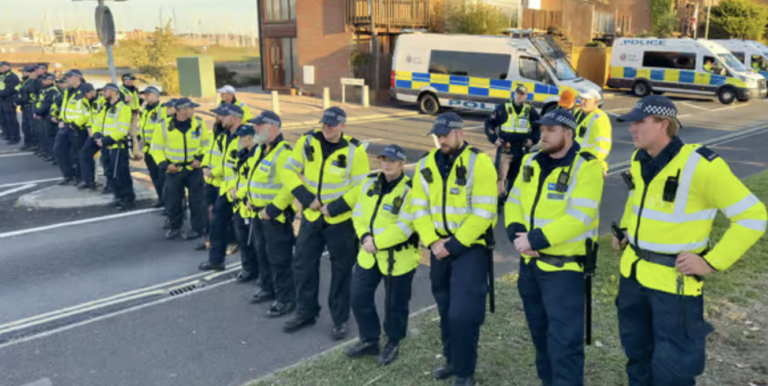
Police operation mounted in Gosport
A significant policing operation was put in place ahead of the arrival. Haslar Bridge was closed, officers restricted access to areas around the marina and a dispersal order was introduced covering Gosport. Protesters also gathered as the migrants were brought ashore, with police later making a number of arrests following disorder.
Calls for migrants to be taken to Dover
Gosport MP Caroline Dinenage said she had sought information from the Home Office about arrangements for the arrival. Hampshire and Isle of Wight Police and Crime Commissioner Donna Jones has also called for people intercepted during Channel crossings to be transported by sea to Dover rather than landed at locations such as Gosport. The latest arrival follows several recent incidents involving small boats taking routes further west across the Channel, prompting increased use of emergency and rescue resources along the Hampshire and Sussex coastline.
Originally published by UKNIP.