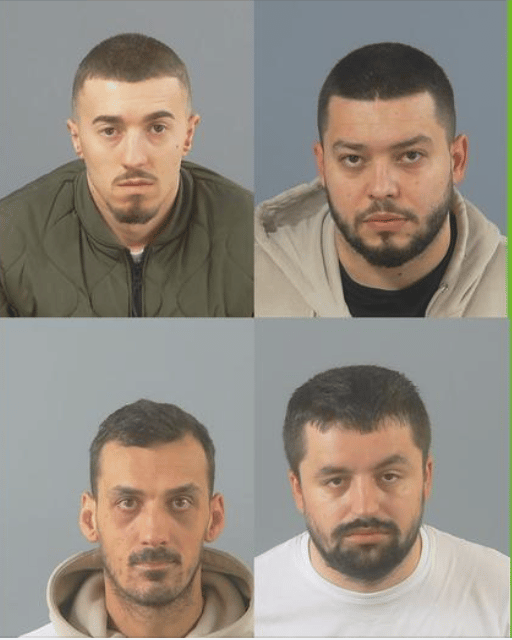
Four men have been sentenced as a result of a large-scale police operation in Southampton that dismantled a cannabis factory with links to organised crime worth an estimated £3.6 million per year.
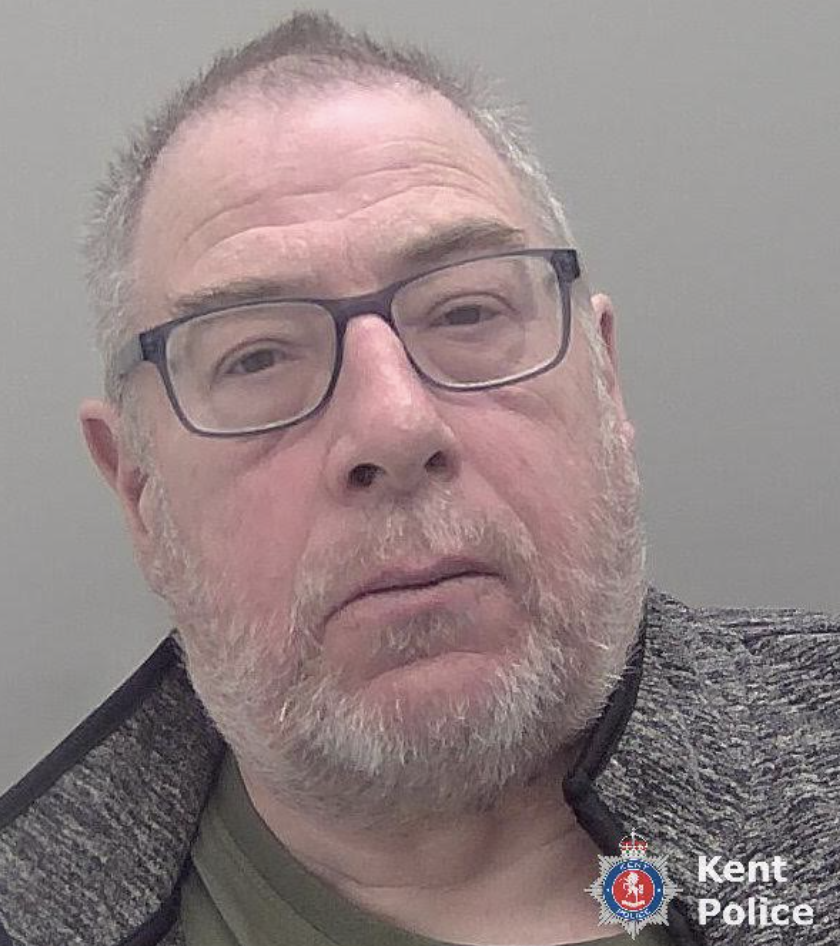
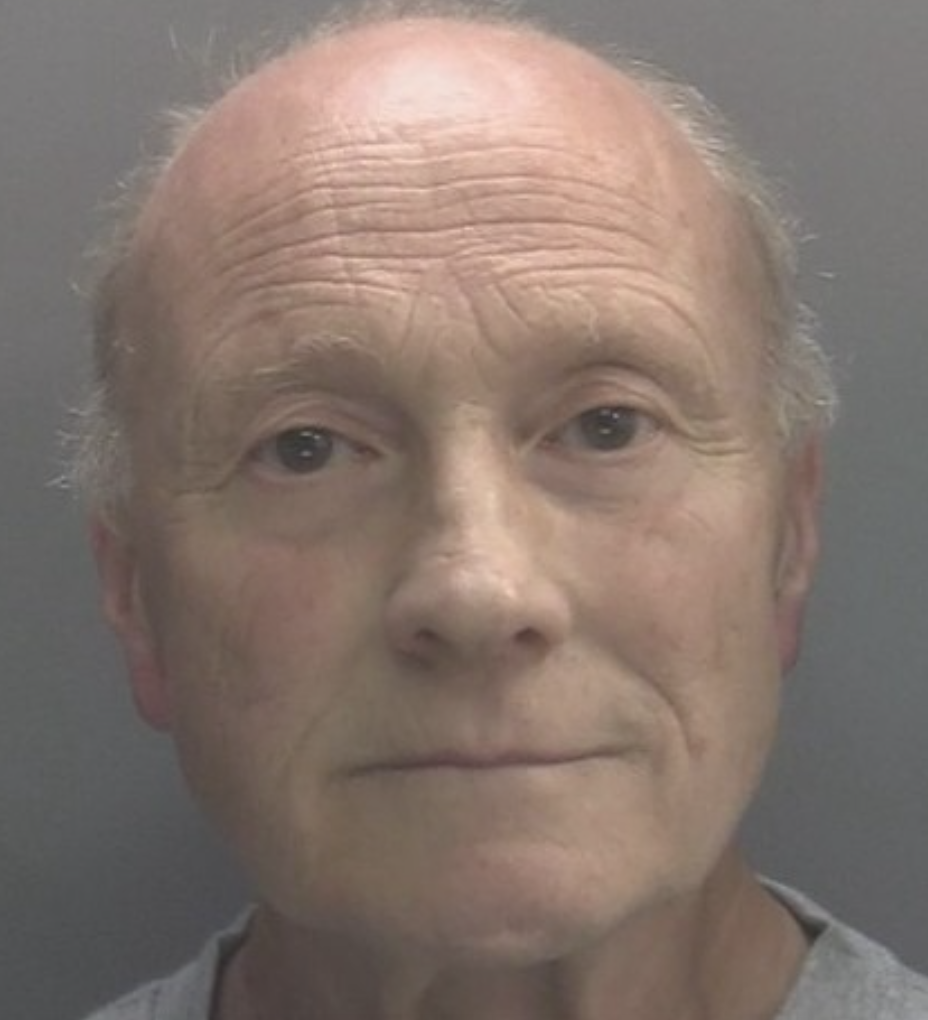
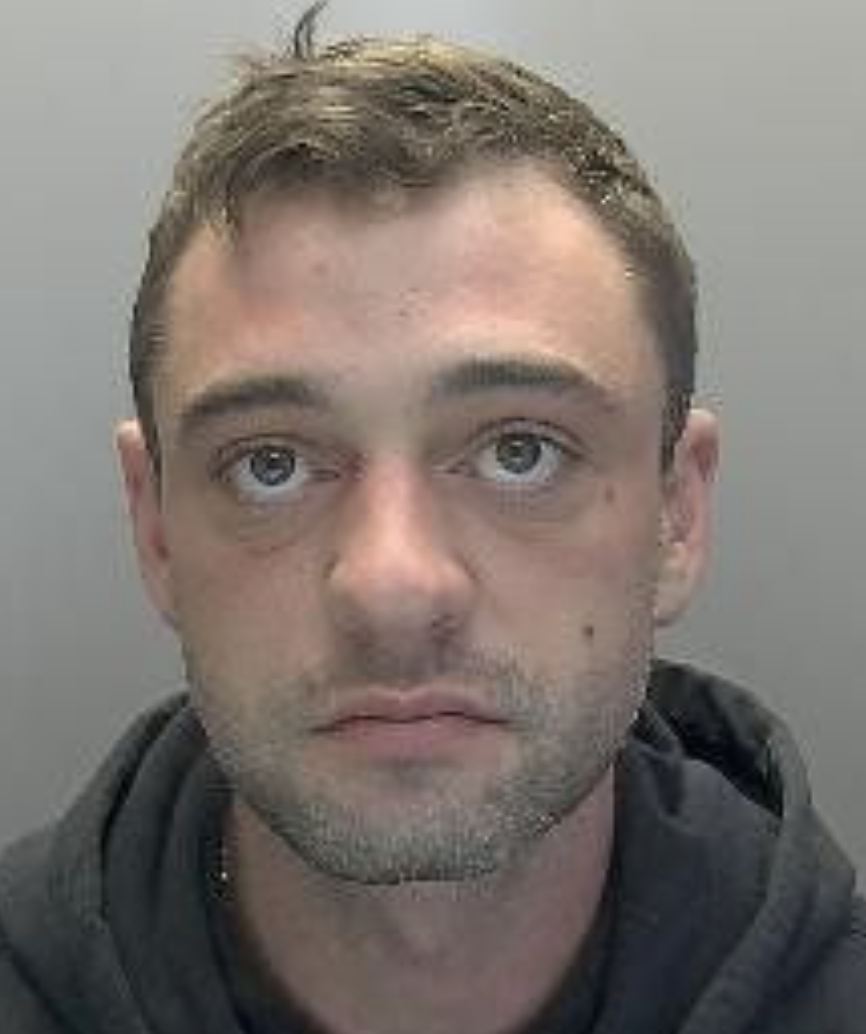
Agron Elezaj, 27, of Jack Clow Road in London, Amarildo Sulaj, 23, of Stanhope Road in Doncaster, and Rexhino Koci, 26, and Damiano Saraci, 30, of no fixed address, were sentenced yesterday at Winchester Crown Court (11 July).
Sulaj and Koci pleaded guilty to playing a significant role in the production of cannabis, while Saraci and Elezaj pleaded guilty to a lesser role.
Sulaj was sentenced to four years and four months in prison, Koci was sentenced to four years in prison, and Saraci and Elezaj were both sentenced to 20 months in prison. This amounted to a total of 11 years and eight months.
Officers discovered last year that an organised crime group was operating a large cannabis factory out of an industrial unit on Pitt Road in Southampton, which could be linked to modern-day slavery.
An operation was set up, and the courts granted a warrant to enter and search the property. Dozens of officers were dispatched to surround the vehicle and catch the occupants off guard.
The operation’s goal was to protect any victims of exploitation, arrest those involved in cannabis production, and seize and destroy any plants discovered.
A briefing was held at Hampshire Constabulary’s Southern Support & Training Headquarters in Netley in the early hours of 11 January this year, the day of the operation. The officer in charge of the operation reviewed the plan’s details and identified any potential risks.
Organized crime syndicates running large-scale cannabis factories will frequently hire ‘gardeners’ to act as caretakers. Some previously dismantled in the UK have even been booby-trapped by attaching a live wire to metallic door handles, for example.
Following the briefing, officers donned their gear and rushed to the scene, where the operation would begin at 7 a.m. Units swarmed the industrial estate and the building suspected of being the factory.
Dog units and drones were used to help secure the site’s perimeter and ensure no one could escape.
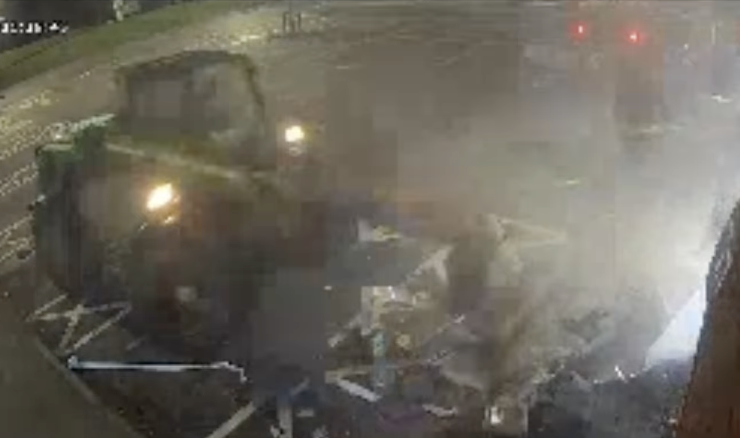
Officers quickly scoped out the interior after cutting through a large metal shutter with an angle grinder.
They didn’t come across any booby traps, but they did come across a pit bull terrier being used as a guard dog.
Fortunately, it did not pose a threat and was taken into the care of the dog unit before being rehomed.
Koci, Elezaj, and Saraci were apprehended inside the unit, but Sulaj attempted to flee by running across the roof and falling through a neighbouring building, injuring his ankles.
He was given first aid at the scene before being taken to the hospital for treatment and then being arrested alongside his associates.
The unit’s interior had been completely transformed. Makeshift ventilation pipes and electrical wiring ran through a maze of different rooms, and lamps and fans were used to grow dozens of rows of cannabis plants in various stages of harvest across two floors.
A squalid living area and bathroom were also discovered, which were used by the four men.
Officers dismantled the factory over several days after the electrical supply was safely turned off. The electricity extracted to power the factory cost £625.40 per day.
Experts seized and examined 1048 cannabis plants in total. This crop is estimated to have a street value of up to £900,000 at full maturity, and the factory was capable of producing four crops per year, bringing in an estimated annual turnover of £3,600,000.
DI Stuart Barton was the operation’s senior investigating officer. This factory is one of the largest we have seen in Southampton, and by dismantling it, we have removed a large cog in Hampshire’s drug production machine and caused massive disruption to the organised crime gang that was running it,” he said.
Cannabis production on this scale is much more than ‘a few drugs.’ It introduces organised crime, serious violence, firearms, and child and vulnerable adult exploitation into our communities.
The shabby electrical wiring also posed a significant fire risk, which has now been remedied.
“We can only carry out successful operations like this if we have the right information.” This is why it is critical that you inform us about drug dealing or production in your neighbourhood – even seemingly insignificant information could be the deciding factor.”