In recent years, reports have indicated that turbulence during flights is on the rise, with some experts linking this increase to a changing climate. This trend has raised concerns among passengers regarding the safety of flying during severe turbulence.
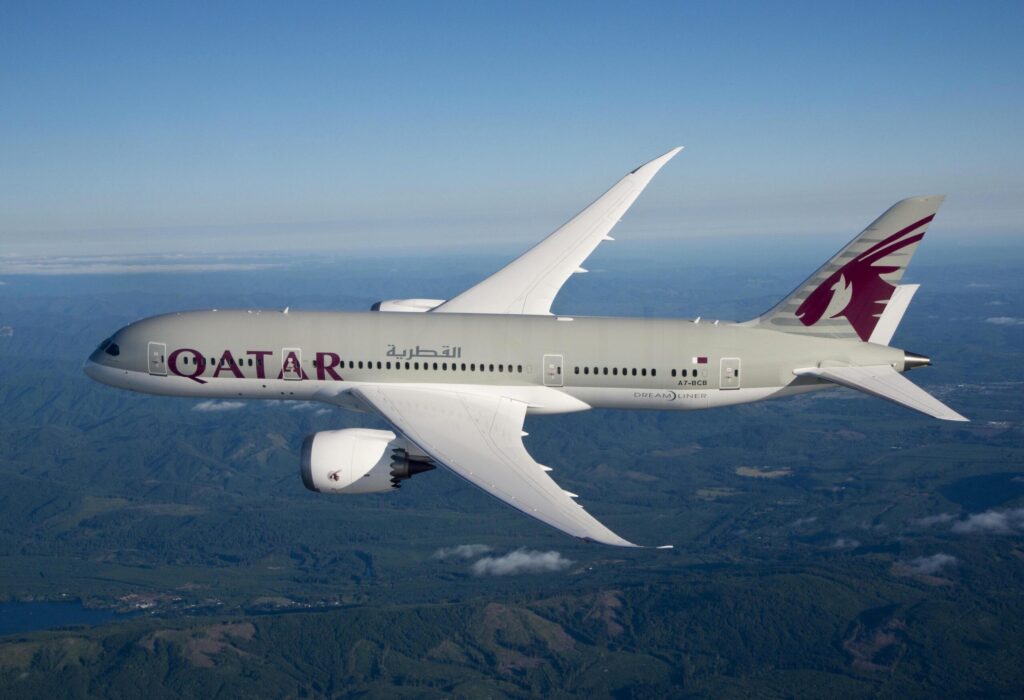
Recently, a flight from London Heathrow to Singapore experienced severe turbulence, resulting in one fatality and over 30 passengers sustaining injuries. Similarly, in 2023, a flight from Phoenix to Honolulu saw 36 individuals injured and requiring medical treatment due to intense turbulence.
These incidents have led some travellers to question whether it is safe to fly during severe turbulence. However, aviation experts emphasize that modern aircraft are designed to withstand even the most severe turbulence.
Can Planes Fly in Severe Turbulence?
In most cases, turbulence is not dangerous. Planes are engineered to handle extreme weather conditions, including severe turbulence, ensuring the safety of those on board. According to BCD, while turbulence can cause an uncomfortable and bumpy ride, it rarely poses a serious threat to the aircraft. The most important thing to know is that turbulence isn’t dangerous. It might be a bit uncomfortable, but your plane is built to handle the worst. Even in the most severe turbulence, your plane isn’t moving nearly as much as you think!” BCD explains.
When planes encounter sudden changes in weather that create severe turbulence, they typically continue on their planned route. However, if there is a potential threat to the safety of passengers and crew, pilots may opt to make emergency landings.
What to Do If Your Plane Encounters Severe Turbulence
If you find yourself on a flight experiencing severe turbulence, there are several steps you can take to ensure your safety and comfort:
- Listen and Follow the Pilot’s Guidance: Pay close attention to the pilot’s announcements and instructions. Staying quiet allows all passengers to hear and understand important information.
- Remain Calm: Keeping calm is crucial for maintaining a controlled atmosphere. Although turbulence can be frightening, staying as composed as possible helps everyone around you.
- Secure Loose Items: If you have items on your tray table, put them away to prevent them from falling or getting lost.
- Keep Your Seatbelt On: Always keep your seatbelt fastened unless instructed otherwise by the flight crew. This helps keep you secure during unexpected bumps.
Conclusion
Despite the increase in turbulence reports and the concerns they raise, air travel remains safe due to the robust design of modern aircraft. Pilots and crew are trained to handle such situations effectively, ensuring the safety and well-being of passengers. While turbulence can be unsettling, understanding how to respond and staying calm can make your flight experience more manageable.